



Fireplace extinguishers are designed to cease small fires from spreading, however not each fireplace extinguisher works the identical method. Utilizing the flawed kind on the flawed sort of fireplace could make a harmful state of affairs worse. Understanding the several types of fireplace extinguishers helps you reply safely and select the correct choice on your house.
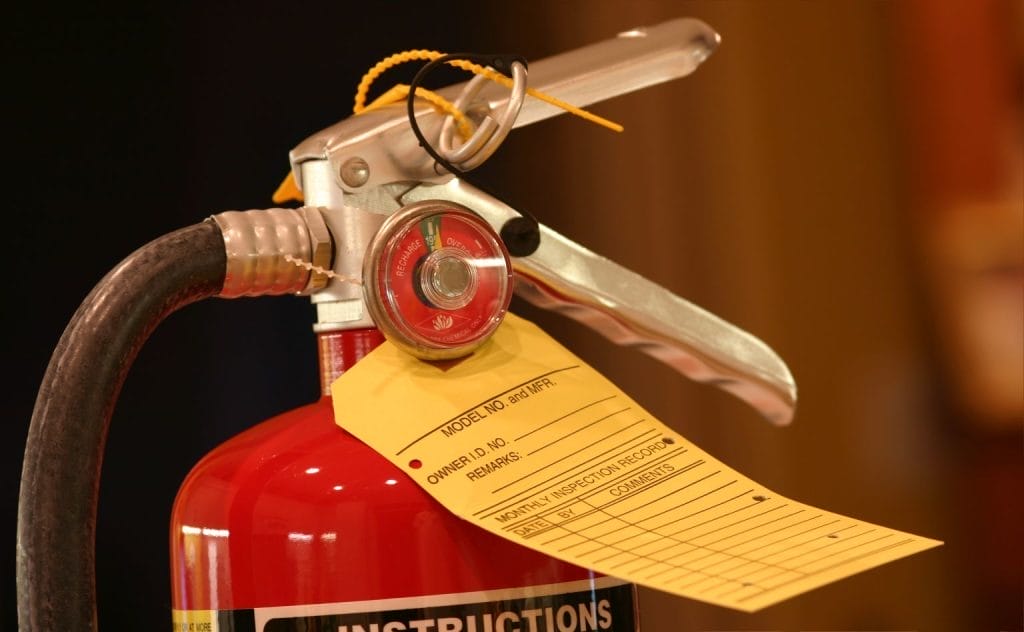
This information explains what fireplace extinguishers are used for, the totally different courses accessible, and which sorts are generally really useful for residential use.
What Is a Fireplace Extinguisher Used For
A fireplace extinguisher is a transportable security gadget designed to regulate or put out small, early-stage fires. Fireplace extinguishers are supposed to gradual a fireplace lengthy sufficient for folks to flee or to cease minor incidents earlier than they develop.
In line with the U.S. Fireplace Administration, fireplace extinguishers are meant to be used on small fires solely and may by no means change evacuation when circumstances turn out to be unsafe.
Fireplace extinguishers usually are not meant to struggle massive or quickly spreading fires, change emergency response providers, or be used when smoke or flames block a protected exit.
If a fireplace is spreading shortly or producing heavy smoke, the most secure choice is to evacuate instantly and name emergency providers.
Kinds of Fireplace Extinguishers by Class
Fireplace extinguishers are categorized primarily based on the kind of fireplace they’re designed to place out. Every class is recognized by a letter and corresponds to particular supplies, as outlined by nationwide fireplace security requirements.
Class A Fireplace Extinguishers
Class A extinguishers are used for fires involving extraordinary flamable supplies, together with wooden, paper, cardboard, material, and a few plastics.
These fires are frequent in dwelling areas, bedrooms, and workplaces. Class A extinguishers usually use water or dry chemical compounds to chill and smother flames.
Class B Fireplace Extinguishers
Then again, Class B extinguishers are designed for fires involving flammable liquids, corresponding to gasoline, oil, grease, paint, and solvents.
These extinguishers work by reducing off the fireplace’s oxygen provide and stopping re-ignition. Class B fires are sometimes related to garages, workshops, and storage areas.
Class C Fireplace Extinguishers
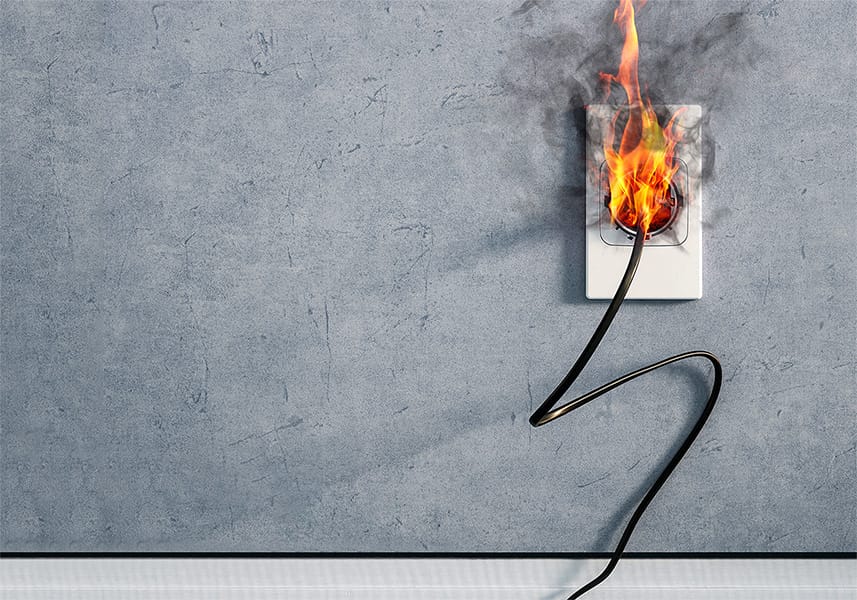
Moreover, Class C extinguishers are used for fires involving electrical gear, together with home equipment, wiring, circuit panels, and electronics.
Class C extinguishers don’t conduct electrical energy, making them safer to be used round energized gear like safety units. As soon as {the electrical} supply is eliminated, the fireplace could also be handled as a Class A or B fireplace.
Class D Fireplace Extinguishers
Class D extinguishers are designed for fires involving flamable metals, corresponding to magnesium, titanium, sodium, and potassium.
All these fires are unusual in residential settings and are usually present in industrial or laboratory environments.
Class Ok Fireplace Extinguishers
Class Ok extinguishers are used for fires attributable to cooking oils and fat, together with grease fires in kitchens and high-temperature cooking gear.
The Nationwide Fireplace Safety Affiliation notes that grease fires ought to by no means be fought with water, which might trigger flames to unfold.
Kinds of Fireplace Extinguishers and Their Makes use of
Various kinds of fireplace extinguishers are designed to deal with totally different fireplace dangers.
- Wooden, paper, and cloth fires are greatest dealt with with Class A extinguishers.
- Gasoline, oil, and chemical fires require Class B extinguishers.
- Electrical fires needs to be addressed with Class C extinguishers.
- Cooking grease fires are greatest dealt with with Class Ok extinguishers.
Utilizing the flawed extinguisher may cause flames to unfold or improve the danger of harm.
Kinds of Fireplace Extinguishers for Residence Use
Most properties depend on multi-purpose fireplace extinguishers, generally labeled as ABC extinguishers. These are designed to deal with Class A fires, Class B fires, and Class C fires.
ABC fireplace extinguishers are extensively really useful for residential use as a result of they cowl the most typical family fireplace situations and complement house safety methods and life security methods like monitored smoke alarms and carbon monoxide detectors.
The place Fireplace Extinguishers Ought to Be Positioned in a Residence
Fireplace extinguishers needs to be simply accessible, mounted close to exits, situated on every degree of the house alongside smoke detectors, and positioned away from direct warmth sources. Frequent placement areas embrace kitchens, garages, and hallways close to sleeping areas.
RELATED: Residence Fireplace Security Tricks to Forestall Fires at Residence
Fireplace Extinguisher Security and Upkeep Fundamentals
To make sure a fireplace extinguisher works when wanted, examine the stress gauge usually, examine for bodily harm or corrosion, and change or recharge extinguishers in accordance with producer pointers.
The Occupational Security and Well being Administration gives normal steerage on inspection and upkeep of transportable fireplace extinguishers.
Fireplace extinguishers ought to solely be used in case you have a transparent exit path and the fireplace is small and contained.
When to Get Further Assist With Fireplace Security
If you’re uncertain which sort of fireside extinguisher is correct on your house, or need assist integrating fireplace safety right into a broader security plan, skilled steerage may help guarantee correct protection and placement.
Fireplace security is usually half of a bigger house safety system method that features correctly put in units and skilled monitoring designed to assist detect points early and reply shortly in emergencies.
Name 1.800.PROTECT (1.800.776.8328) or request a free quote to get protected with a professionally put in house safety system.
Be taught Extra About Residence Safety
Get extra data on easy methods to improve your own home’s safety.

